

Nipah Virus: What Texas Families Need to Know About This Emerging Infectious Diseas
If you’ve been following health news lately, you might have heard about Nipah virus outbreaks making headlines, particularly in South Asia. While this virus emerged in Malaysia back in 1998, recent cases in India — specifically in Kerala — have put families worldwide on alert. As your family doctor here in Murphy, I want to give you the straight facts about Nipah virus symptoms, transmission, and what you can realistically do to protect your loved ones, whether you’re here in North Texas or planning international travel.
The good news? For most families in Murphy, Plano, Wylie, and surrounding areas, the immediate risk remains very low. But understanding this virus is part of being an informed, proactive patient—and that’s what preventive medicine is all about.
Understanding Nipah Virus: The Basics Every Family Should Know
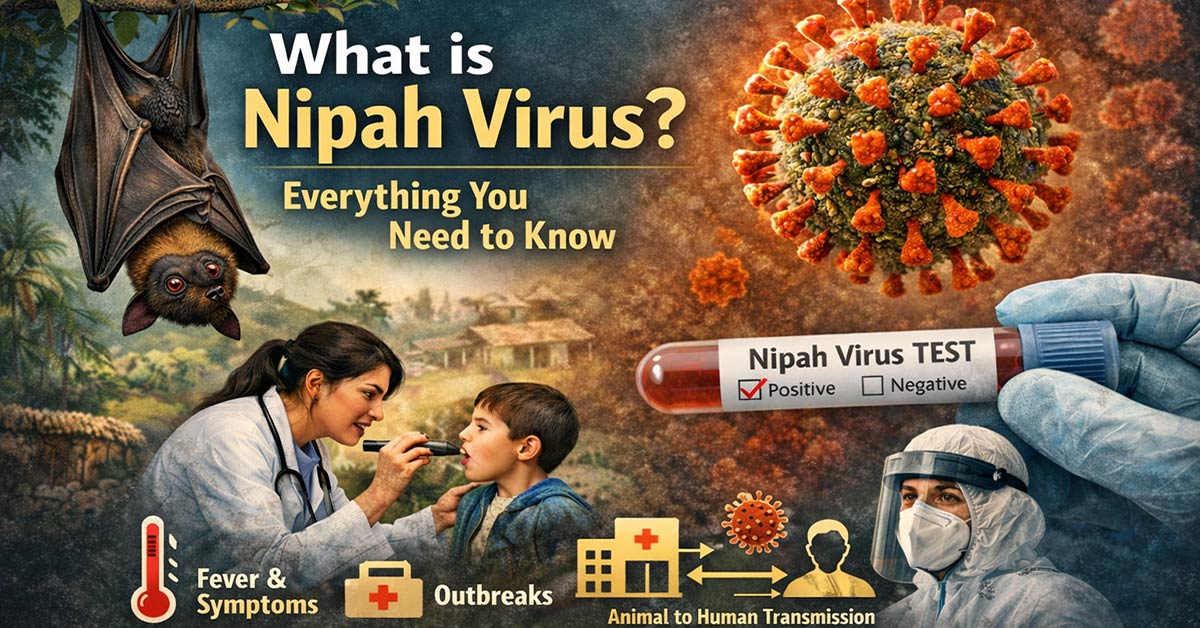
Nipah virus (NiV) is a zoonotic virus, meaning it jumps from animals to humans. It was first identified during an outbreak among pig farmers in Malaysia in 1998, and since then, we’ve seen sporadic outbreaks primarily in Bangladesh and India.
What makes Nipah particularly concerning to public health officials is its high mortality rate—between 40% and 75% of infected individuals in past outbreaks have died from the infection. However, it’s important to put this in perspective: outbreaks have been geographically limited, and the virus doesn’t spread as easily as, say, the flu or COVID-19.
How Does Nipah Virus Spread?
Understanding transmission is key to protection. Nipah virus spreads through several routes:
Direct contact with infected animals: Fruit bats (flying foxes) are the natural reservoir for Nipah virus. In outbreak areas, people have contracted the virus through:
- Consuming raw date palm sap contaminated by infected bat saliva or urine
- Eating fruit partially eaten by infected bats
- Close contact with infected pigs or other domestic animals
Human-to-human transmission: This is what makes healthcare workers particularly vulnerable. The virus can spread through:
- Close contact with infected patients’ bodily fluids (saliva, respiratory secretions, urine)
- Caring for sick family members without proper protective equipment
- Contact with contaminated surfaces in healthcare settings
For our South Asian American families in the Murphy and Plano area — particularly those who travel back to India, Pakistan, or Bangladesh to visit relatives — understanding these transmission routes is especially important if you’re planning trips during outbreak periods.
Recognizing Nipah Virus Symptoms: What to Watch For
Early recognition is critical, though I’ll be honest — Nipah symptoms can look a lot like many other viral infections at first, which makes diagnosis challenging.
Initial Symptoms (First 3-14 Days)
When someone is first infected with Nipah virus, they typically experience:
- Fever: Often sudden onset and high
- Headache: Can be severe and persistent
- Muscle pain (myalgia): Similar to flu-like aches
- Vomiting and nausea
- Sore throat
- Dizziness
Severe Symptoms (Can Develop Rapidly)
As the infection progresses, more serious neurological symptoms can appear within 24-48 hours:
- Encephalitis: Inflammation of the brain, leading to drowsiness, confusion, or altered consciousness
- Seizures
- Brain inflammation causing disorientation
- Respiratory distress: Difficulty breathing requiring ventilation support
- Coma: In severe cases
The incubation period—the time between exposure and symptom onset—typically ranges from 4 to 14 days, though it can extend up to 45 days in rare cases. This variability makes contact tracing and outbreak control more challenging.
Treatment and Care: What’s Available
Here’s where I need to be completely transparent with you: there is currently no approved antiviral treatment specifically for Nipah virus, and no vaccine is available for human use (though several are in development).
Current Treatment Approach: Medical care for Nipah virus is supportive, meaning we focus on managing symptoms and maintaining vital functions while the patient’s immune system fights the infection. This includes:
- Intensive care monitoring for severe cases
- Mechanical ventilation for respiratory failure
- Managing seizures with appropriate medications
- Intravenous fluids to maintain hydration and blood pressure
- Treatment of secondary infections if they develop
Early hospitalization dramatically improves outcomes, which is why awareness of symptoms — especially for anyone who’s been in outbreak areas — is so critical.
Prevention Strategies: Protecting Your Family
Since we don’t have a vaccine yet, prevention focuses on avoiding exposure. Here’s what I recommend for families:
For Everyone in Murphy and North Texas
- Stay informed: Follow CDC and WHO updates, especially if you or family members travel internationally
- Practice good hand hygiene: Wash hands thoroughly with soap and water, especially after potential exposure to animals or sick individuals
- Maintain general health: A strong immune system is your first line of defense against any infection
For Travelers to Outbreak Areas
If you’re planning to visit family in South or Southeast Asia, particularly during known outbreak periods:
- Avoid raw date palm sap products: This includes fresh palm juice or toddy
- Wash and peel fruits carefully: Particularly if they could have been accessed by bats
- Avoid contact with sick pigs or bats
- Don’t visit hospitals with known Nipah cases unless absolutely necessary
- Check travel advisories before your trip
For Healthcare Workers and Caregivers
If you’re providing care for someone with suspected or confirmed Nipah virus:
- Use full personal protective equipment (PPE): gloves, gown, N95 respirator, and eye protection
- Practice strict infection control protocols
- Isolate suspected cases immediately
- Monitor your own health closely for 21 days after potential exposure
Public Health Response: How Outbreaks Are Managed
When Nipah virus cases are identified, public health authorities implement aggressive containment measures:
- Contact tracing: Identifying and monitoring everyone who had close contact with confirmed cases
- Quarantine protocols: Isolating potentially exposed individuals
- Travel restrictions: In some cases, limiting movement from affected areas
- Hospital preparedness: Ensuring isolation facilities and PPE are available
- Community education: Raising awareness about prevention measures
- Animal surveillance: Monitoring bat populations and domestic animal health
These measures have proven effective in containing past outbreaks, preventing widespread transmission.
A Note for Our South Asian American Families
I know many of our patients in the Murphy, Plano, and Wylie communities maintain close ties with family in India, Pakistan, and Bangladesh. It’s completely natural to worry when you hear about Nipah outbreaks in your home regions.
If you have family in affected areas, encourage them to follow local health department guidelines. If you’re planning a visit, time it carefully — check the CDC and WHO websites for current outbreak information. And please, come talk to me before traveling to outbreak areas so we can discuss specific precautions for your family situation.
The Bottom Line: Informed but Not Fearful
Nipah virus is serious, and I don’t want to minimize that. But context matters. For families here in North Texas, the risk of Nipah infection is extremely low under normal circumstances. This isn’t something that should keep you up at night or prevent you from living your life.
What I do want is for you to be informed—to know what Nipah virus is, how it spreads, and what precautions make sense. That’s the foundation of good preventive medicine.
If you have specific concerns about Nipah virus — especially if you’re planning international travel to affected regions — don’t hesitate to schedule a visit with our office. We can discuss your individual risk factors, review prevention strategies, and make sure you have a plan. Your health and peace of mind matter to us.
Frequently Asked Questions About Nipah Virus
Is there a vaccine for Nipah virus?
Currently, there is no approved vaccine for Nipah virus for human use, though several candidates are in various stages of development and clinical trials. The monoclonal antibody m102.4 has shown promise in animal studies and is being evaluated for use in humans. Prevention focuses on avoiding exposure through the measures outlined above.
Can Nipah virus spread through the air like COVID-19?
Nipah virus does not spread as easily through the air as respiratory viruses like influenza or COVID-19. While respiratory droplets from close contact with infected individuals can transmit the virus, it requires much closer, more prolonged exposure. The primary transmission routes are direct contact with infected animals or bodily fluids from infected people. However, healthcare settings require airborne precautions due to the severity of the disease.
What should I do if I develop symptoms after traveling to an outbreak area?
Seek medical attention immediately and inform healthcare providers about your travel history. Even if your symptoms seem mild, early medical evaluation is crucial. Isolate yourself from others while awaiting medical assessment. Contact your doctor’s office by phone first so they can prepare appropriate isolation and protective measures before your arrival.
How long does immunity last after Nipah virus infection?
Research on long-term immunity following Nipah virus infection is limited due to the relatively small number of survivors. Some studies suggest that survivors develop antibodies that may provide some protection, but cases of reinfection have been documented. More research is needed to fully understand the duration and strength of natural immunity to Nipah virus.
Are children more susceptible to Nipah virus than adults?
Nipah virus can affect people of all ages. During past outbreaks, cases have been reported across age groups, from children to elderly adults. The severity of illness doesn’t appear to be significantly age-dependent, though underlying health conditions can affect outcomes at any age. Children, like adults, should follow the same prevention measures when in areas with known outbreaks.
Should I be concerned about Nipah virus in the United States?
The risk of Nipah virus in the United States is currently considered very low. The fruit bat species that carry Nipah virus are not native to North America, and there have been no documented cases of Nipah virus transmitted within the US. However, the CDC and other health agencies maintain surveillance and preparedness protocols in case imported cases occur through international travel.
More From Dr. Zaman: Outbreak Explainers for North Texas Families
If you found this helpful, here are two other outbreak posts that cover similar ground:
- Hantavirus Outbreak 2026: What Texas Families Need to Know Right Now — Hantavirus symptoms in Texas families are raising questions after the 2026 cruise ship outbreak. Dr. Zaman explains what to watch for, and your real risk right now.
- Measles Outbreak in Texas: What Murphy & Plano Families Need to Know — Measles hit Collin County in 2026, with a confirmed exposure at a Plano Walmart. If your child’s MMR vaccination isn’t up to date, this one is essential reading.
- Your Nipah Virus Questions Answered — A deep-dive FAQ on Nipah, including travel guidance for families visiting India, written in response to the questions I was hearing most from patients in Murphy and Plano.
Authoritative Resources and Further Reading
For the most current and reliable information about Nipah virus, I recommend these trusted sources:
- Centers for Disease Control and Prevention (CDC) – Nipah Virus: https://www.cdc.gov/nipah/index.html
Comprehensive information about Nipah virus, including outbreak updates, transmission, prevention, and clinical guidance. - World Health Organization (WHO) – Nipah Virus: https://www.who.int/news-room/fact-sheets/detail/nipah-virus
Global perspective on Nipah virus epidemiology, symptoms, treatment, and international outbreak response. - National Institute of Allergy and Infectious Diseases (NIAID) – Nipah: https://www.niaid.nih.gov/diseases-conditions/nipah
Research updates on Nipah virus vaccines and therapeutics in development. - Mayo Clinic – Viral Hemorrhagic Fevers: https://www.mayoclinic.org/diseases-conditions/viral-hemorrhagic-fevers/symptoms-causes/syc-20351880
Patient-friendly information about severe viral infections, including prevention and when to seek care. - Johns Hopkins Bloomberg School of Public Health – Center for Health Security: https://www.centerforhealthsecurity.org/our-work/publications/nipah-virus-factsheet
Detailed fact sheet on Nipah virus epidemiology and public health response. - Texas Department of State Health Services – Infectious Disease Control: https://www.dshs.texas.gov/infectious-diseases
State-level health updates and resources relevant to Texas residents.
Stay healthy, stay informed, and remember — we’re here to answer any questions you might have about protecting your family’s health.
Dr. Hina Zaman, MD
Family Care Murphy
Serving Murphy, Plano, Wylie, Sachse, and surrounding North Texas communities