


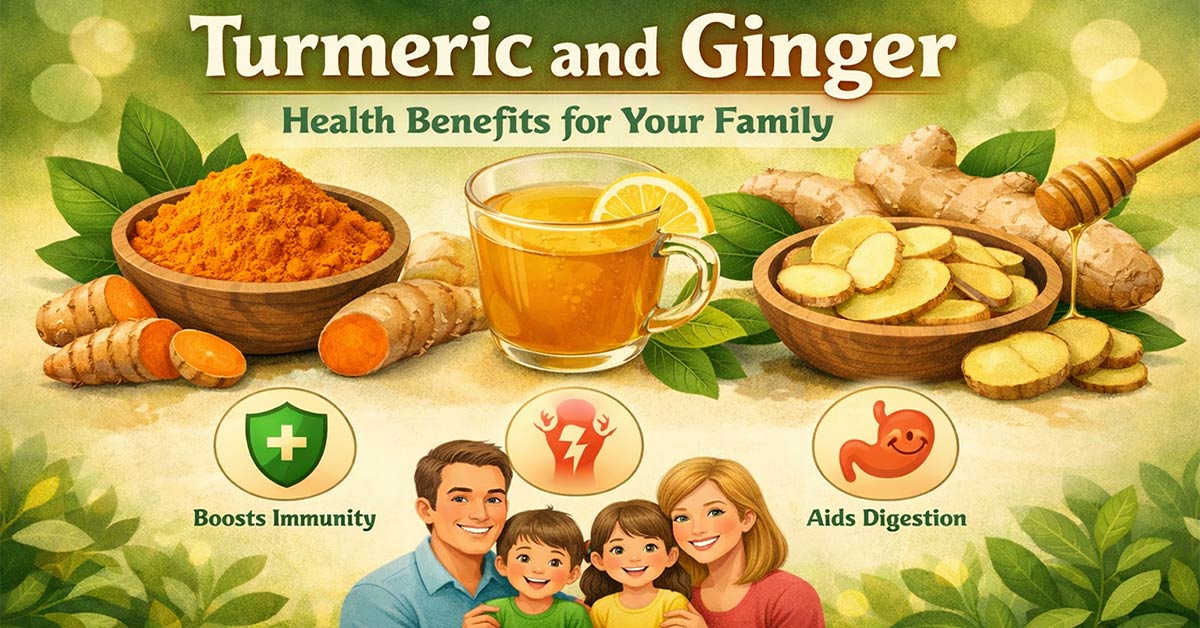
The Golden Duo: Turmeric and Ginger Health Benefits for Your Family
Walk into my office in Murphy on any given day, and chances are good that someone will ask me about natural remedies for inflammation, joint pain, or digestive issues. Increasingly, patients are curious about turmeric and ginger—two golden-hued spices that have moved from the kitchen shelf to the wellness spotlight. And honestly? There’s good reason for all the attention.
As your family doctor here in North Texas, I’ve watched the research on turmeric and ginger health benefits evolve from interesting folklore to solid medical evidence. These aren’t miracle cures, but they are powerful tools that, when used correctly, can support your health in meaningful ways. Let me break down what the science actually says, how to use them safely, and whether they might be right for you and your family.
Understanding Turmeric: More Than Just a Curry Spice
Turmeric (Curcuma longa) is a flowering plant in the ginger family, native to Southeast Asia. The bright orange-yellow spice we use comes from its underground rhizomes. While turmeric has been a staple in Indian and Chinese medicine for over 4,000 years, Western medicine has only recently begun to understand why it works.
The Science Behind Turmeric’s Power
The secret to turmeric’s medicinal properties lies in a group of compounds called curcuminoids, with curcumin being the star player. Curcumin makes up about 2-8% of most turmeric preparations and is responsible for both the vibrant color and the therapeutic effects.
Here’s what makes curcumin particularly interesting from a medical standpoint: it’s both a potent anti-inflammatory and a powerful antioxidant. In fact, studies have shown that curcumin’s anti-inflammatory effects are comparable to some pharmaceutical anti-inflammatory drugs, but typically with fewer side effects.
How Turmeric Works in Your Body:
- Blocks inflammatory pathways: Curcumin inhibits molecules called cytokines that trigger inflammation at the cellular level
- Neutralizes free radicals: Acts as an antioxidant, protecting your cells from oxidative damage
- Boosts your body’s own antioxidant enzymes: Doesn’t just fight free radicals directly—helps your body produce more of its own protective compounds
- Supports brain health: Increases Brain-Derived Neurotrophic Factor (BDNF), a protein essential for nerve cell growth and survival
Ginger: The Zesty Root with Serious Health Credentials
Ginger (Zingiber officinale) is turmeric’s botanical cousin, and it’s equally impressive from a health perspective. That distinctive spicy-sweet taste comes from bioactive compounds called gingerols, which transform into shogaols when the ginger is dried or cooked.
What Makes Ginger Medicinal
Gingerol—ginger’s primary active compound—has powerful anti-inflammatory and antioxidant properties similar to curcumin in turmeric. But ginger brings some unique benefits to the table, particularly when it comes to digestive health and nausea relief.
Research shows that ginger accelerates gastric emptying—the rate at which food moves through your stomach. This is why ginger has been used for centuries to combat nausea, and why it’s still one of the first things I recommend to pregnant patients dealing with morning sickness or anyone recovering from a stomach bug.
The Proven Health Benefits of Turmeric
Let’s talk about what turmeric can actually do for you, based on solid research rather than hype.
Joint Health and Arthritis Relief
This is probably where turmeric shines brightest. Multiple studies have demonstrated that curcumin can reduce joint pain and stiffness in people with osteoarthritis and rheumatoid arthritis. In several trials, turmeric extract performed as well as commonly used anti-inflammatory medications like ibuprofen—but without the gastric side effects.
For my patients in Murphy, Plano, and Wylie dealing with arthritis, I often recommend trying turmeric for 8-12 weeks to see if it makes a difference. The effects aren’t instant—this is a gradual improvement, not a painkiller—but many patients report meaningful relief.
Cardiovascular Protection
Turmeric supports heart health through multiple mechanisms:
- Improves the function of the endothelium (the lining of your blood vessels)
- Reduces LDL cholesterol oxidation
- May help prevent blood clots due to mild anti-coagulant effects
- Reduces inflammation in blood vessels
This is particularly relevant for our South Asian American families in the area, who statistically have higher rates of cardiovascular disease. Adding turmeric to your diet—whether through cooking or supplementation—might offer some protective benefits.
Brain Health and Memory Support
Here’s something fascinating: curcumin can cross the blood-brain barrier, which means it can directly access brain tissue. Research suggests it may help:
- Increase levels of BDNF, potentially lowering the risk of brain diseases
- Clear amyloid plaques associated with Alzheimer’s disease
- Reduce brain inflammation linked to cognitive decline
- Possibly improve memory and attention in older adults
While we’re not at the point where I’m prescribing turmeric for Alzheimer’s prevention, the early research is promising enough that I think it’s reasonable to include turmeric in a brain-healthy lifestyle.
Digestive and Liver Support
Turmeric has been used traditionally to support digestion, and modern research backs this up. It stimulates bile production, which helps digest fats, and may protect the stomach lining from irritation. The liver particularly benefits from turmeric’s antioxidant properties, which help protect it from toxin damage.
The Remarkable Health Benefits of Ginger
Nausea Relief: Where Ginger Truly Excels
This is ginger’s superpower. The evidence is so strong that ginger is now considered a legitimate treatment option for several types of nausea, including morning sickness during pregnancy, chemotherapy-induced nausea, and post-operative nausea.
For pregnant patients, I typically recommend 1 gram of ginger daily in divided doses—roughly equivalent to one-quarter teaspoon of powdered ginger or a 1-inch piece of fresh ginger. According to research and guidelines from the American College of Obstetricians and Gynecologists, ginger is generally safe during pregnancy when used in food amounts or modest supplementation.
Digestive Health and Gut Motility
Beyond nausea, ginger helps your entire digestive system function better. It stimulates gastric emptying, which means food doesn’t sit in your stomach as long. This can help with:
- Chronic indigestion (dyspepsia)
- Bloating and gas
- General digestive discomfort
I’ve had patients report significant improvement in their irritable bowel syndrome (IBS) symptoms after incorporating ginger tea into their daily routine. While ginger isn’t a cure for IBS, it can definitely help manage symptoms.
Pain and Inflammation Management
Like turmeric, ginger has impressive anti-inflammatory properties. Studies show it can help with:
- Menstrual cramps: Several trials found ginger as effective as ibuprofen or mefenamic acid for period pain
- Muscle soreness: Regular ginger consumption may reduce exercise-induced muscle pain—though the effect is gradual, not immediate
- Osteoarthritis: Can reduce knee pain and improve mobility over time
- Migraine relief: Some research suggests ginger may help reduce migraine intensity
Antimicrobial Properties
Fresh ginger has natural antimicrobial effects, particularly against certain bacteria and viruses. It’s been shown to inhibit the growth of E. coli, Staphylococcus aureus, and even respiratory syncytial virus (RSV). The gingerols in fresh ginger may also help prevent oral bacteria that cause gum disease.
This is why ginger tea is such a popular home remedy during cold and flu season—there’s actually some science behind grandma’s advice!
Blood Sugar Regulation
Emerging research suggests ginger may help improve blood sugar control and insulin sensitivity in people with type 2 diabetes. While I wouldn’t recommend relying on ginger alone to manage diabetes, it might be a helpful addition to a comprehensive treatment plan.
The Synergy: Using Turmeric and Ginger Together
Here’s something interesting: many traditional medicine systems use turmeric and ginger together, not separately. There’s wisdom in this approach.
Both spices share similar anti-inflammatory mechanisms, which means they can work synergistically—the combined effect may be greater than using either one alone. Plus, they complement each other in flavor, making them easy to use together in cooking or teas.
In my practice, I often recommend the combination for patients dealing with chronic inflammatory conditions. Think of it as a one-two punch against inflammation.
How to Use Turmeric and Ginger Effectively
Dosing Guidelines Based on Research
For Turmeric:
- Culinary use: 1-3 grams of fresh turmeric root daily
- Powdered spice: 1-3 grams daily (about 1/2 to 1.5 teaspoons)
- Standardized extract: 400-600 mg (95% curcuminoids) three times daily
- For therapeutic effects: typically need 500-2,000 mg of curcumin daily
For Ginger:
- Fresh ginger: 1-4 grams daily
- Powdered ginger: 1-2 grams daily
- For nausea: 1 gram daily in divided doses
- Ginger tea: 1-2 cups daily made with fresh or dried ginger
The Bioavailability Challenge
Here’s a crucial point: Curcumin from turmeric is poorly absorbed by your body on its own. Your liver and intestinal wall are very efficient at metabolizing it before it reaches your bloodstream.
To get around this, you need to boost absorption. Here’s how:
Add Black Pepper: The compound piperine in black pepper increases curcumin absorption by up to 2,000%. Just a pinch of black pepper with your turmeric makes a huge difference.
Consume with Fat: Curcumin is fat-soluble, so taking it with a meal containing healthy fats (olive oil, avocado, nuts) improves absorption significantly.
Look for Enhanced Formulations: Some supplements use phospholipids or other delivery systems to improve bioavailability. These can be worth the extra cost if you’re taking turmeric for therapeutic purposes.
Practical Ways to Add These Spices to Your Diet
Morning Golden Milk: A traditional Ayurvedic drink that’s become popular here in Texas. Warm milk (dairy or plant-based) with turmeric, ginger, cinnamon, and a pinch of black pepper. Add a touch of honey for sweetness.
Turmeric-Ginger Tea: Simmer fresh or powdered turmeric and ginger in water for 10 minutes. Strain, add lemon and honey. This is my go-to recommendation for inflammatory conditions.
In Cooking: Add both spices to curries, soups, stir-fries, roasted vegetables, smoothies, and salad dressings. Fresh turmeric and ginger can be grated into almost any dish.
Supplements: If cooking isn’t your thing or you need therapeutic doses, high-quality supplements are a convenient option. Look for products with black pepper extract (piperine) included.
Safety Considerations and When to Be Cautious
While turmeric and ginger are generally safe, there are some important caveats.
Potential Side Effects
Most people tolerate these spices well, but some may experience:
- Mild stomach upset or nausea (ironically, usually only at very high doses)
- Heartburn or acid reflux
- Diarrhea with very high doses
- Dizziness (rare)
Drug Interactions: This Is Important
Both turmeric and ginger have mild blood-thinning effects. This means they can interact with anticoagulant medications like warfarin, aspirin, or other blood thinners. If you’re on any of these medications, talk to me before starting supplements.
Other potential interactions include:
- Diabetes medications (may lower blood sugar too much)
- Antacids or acid-reducing medications
- Some chemotherapy drugs
Special Populations
Pregnancy: Ginger in food amounts is generally safe and helpful for morning sickness. Turmeric in cooking is fine, but high-dose supplements should be avoided unless your obstetrician approves.
Gallbladder issues: Turmeric stimulates bile production, so people with gallstones or bile duct obstruction should avoid therapeutic doses.
Kidney stones: Turmeric is high in oxalates, which can contribute to kidney stone formation in susceptible individuals.
Surgery: Stop taking turmeric and ginger supplements at least two weeks before any scheduled surgery due to bleeding risk.
Special Considerations for Our South Asian Community
For many of my South Asian American patients in Murphy and Plano, turmeric and ginger are already kitchen staples—part of daily cooking traditions passed down through generations. This is actually a significant health advantage.
Traditional South Asian cuisine naturally incorporates these spices in ways that optimize absorption—turmeric is typically cooked with black pepper and oils, and ginger is often combined with other beneficial spices. The regular, lifelong consumption of these spices in traditional diets may be one reason why they’ve remained such important parts of Ayurvedic and traditional medicine.
If you’re already cooking with these spices regularly, you’re likely getting modest health benefits without even trying. The question becomes whether you need therapeutic supplementation on top of dietary intake—and that’s something we can discuss based on your individual health needs.
What the Research Still Needs to Answer
While the research on turmeric and ginger is impressive, I want to be clear about what we don’t know yet:
- Optimal long-term dosing for different conditions
- Best formulations for absorption and effectiveness
- Detailed safety data for long-term use at therapeutic doses
- How these spices interact with various medications we haven’t studied yet
- Whether benefits seen in research studies translate to real-world, long-term use
Science is ongoing, and recommendations will likely evolve as we learn more.
My Bottom Line as Your Family Doctor
Turmeric and ginger aren’t magic bullets, but they’re legitimate additions to a healthy lifestyle. The anti-inflammatory and antioxidant properties are real, backed by solid research. For many common conditions—joint pain, digestive issues, mild nausea—these spices offer a low-risk, potentially beneficial option either alongside or sometimes instead of conventional medications.
I think of them as part of a comprehensive approach to health. They work best when combined with other healthy lifestyle choices: good nutrition, regular exercise, adequate sleep, stress management, and when necessary, conventional medical care.
If you’re dealing with chronic inflammation, joint pain, digestive issues, or just want to boost your overall health with natural approaches, let’s talk about whether turmeric and ginger might help. We can discuss appropriate dosing for your situation, make sure there are no interactions with your current medications, and create a plan that makes sense for your health goals. Schedule a visit and we’ll figure out the best approach for you.
Frequently Asked Questions About Turmeric and Ginger
Can I take turmeric and ginger together, or should I choose one?
You can absolutely take both together, and many traditional medicine systems actually recommend this combination. They have complementary anti-inflammatory effects and work through slightly different mechanisms, which may provide better overall benefits than using either alone. In cooking, they pair naturally and taste great together in dishes like curries, soups, teas, and smoothies.
How long does it take to see health benefits from turmeric and ginger?
Unlike pain medications that work within hours, turmeric and ginger work more gradually. For digestive benefits like nausea relief, ginger can work relatively quickly—within a few hours. However, for anti-inflammatory effects on joint pain or chronic conditions, you’ll typically need to use these spices consistently for 4-8 weeks before noticing meaningful improvement. Think of them as long-term health investments rather than quick fixes.
Are supplements better than using fresh turmeric and ginger in cooking?
It depends on your goal. For general health maintenance and prevention, using fresh or powdered spices in your cooking regularly is excellent and probably sufficient. However, if you’re trying to address a specific health issue like arthritis or chronic inflammation, you likely need therapeutic doses that are difficult to achieve through food alone. Supplements provide standardized, concentrated doses—but make sure you’re getting quality products with added piperine (black pepper extract) for better absorption.
Is it safe to give turmeric and ginger to children?
In food amounts used in normal cooking, turmeric and ginger are perfectly safe for children and can be part of a healthy diet from toddlerhood onward. Many cultures around the world feed these spices to children regularly with no issues. However, I don’t recommend giving children concentrated supplements unless there’s a specific medical reason and you’ve discussed it with their pediatrician. Stick with culinary use in meals and the occasional ginger tea for tummy troubles.
Can turmeric and ginger help with weight loss?
While some studies suggest these spices may have modest effects on metabolism and fat reduction, the evidence isn’t strong enough for me to recommend them specifically for weight loss. What they CAN do is support overall health, reduce inflammation, and improve digestive function—all of which can indirectly support healthy weight management as part of a comprehensive plan that includes proper nutrition and exercise. Don’t expect turmeric and ginger to do the heavy lifting, but they might be helpful supporting players.
What’s the difference between fresh, dried, and supplement forms?
Fresh turmeric and ginger contain the highest levels of volatile oils and some beneficial compounds that are reduced during drying. Fresh also tends to have a brighter, more complex flavor. Dried powdered forms are more concentrated and convenient for cooking, and they still retain most of the beneficial curcuminoids (in turmeric) and gingerols/shogaols (in ginger). Supplements provide the highest, most standardized doses and often include absorption enhancers, making them best for therapeutic use. For general health, use what’s most convenient—they all offer benefits.
Can these spices help prevent cancer?
This is an area of active research, and the results are promising but not conclusive. Laboratory and animal studies have shown that compounds in both turmeric and ginger can inhibit cancer cell growth and reduce tumor formation. However, what happens in a petri dish or in mice doesn’t always translate to humans. While I can’t tell you that these spices will prevent cancer, including them in your diet as part of an overall healthy lifestyle—along with not smoking, maintaining a healthy weight, exercising, and eating plenty of vegetables—is certainly reasonable and potentially protective.
Authoritative Resources and Further Reading
For reliable, science-based information about turmeric and ginger, I recommend these trusted sources:
- National Center for Complementary and Integrative Health (NCCIH) – Turmeric: https://www.nccih.nih.gov/health/turmeric
Government resource with evidence-based information on turmeric’s health effects, safety, and research status. - National Center for Complementary and Integrative Health (NCCIH) – Ginger: https://www.nccih.nih.gov/health/ginger
Comprehensive overview of ginger’s uses, effectiveness, and safety considerations. - Johns Hopkins Medicine – Turmeric Benefits: https://www.hopkinsmedicine.org/health/wellness-and-prevention/turmeric-benefits
Patient-friendly information about turmeric from one of the nation’s top medical institutions. - Johns Hopkins Medicine – Ginger Benefits: https://www.hopkinsmedicine.org/health/wellness-and-prevention/ginger-benefits
Evidence-based guidance on using ginger for health and practical consumption tips. - National Institutes of Health (NIH) – Curcumin Research: https://www.ncbi.nlm.nih.gov/pmc/articles/PMC5664031/
Research review on curcumin’s therapeutic applications and biological activities. - Cleveland Clinic – Ginger Health Benefits: https://health.clevelandclinic.org/ginger-health-benefits
Practical information about incorporating ginger into your health routine from Cleveland Clinic experts. - American Academy of Family Physicians – Herbal and Dietary Supplements: https://www.aafp.org/pubs/afp/issues/2008/0101/p73.html
Physician-focused resource on evaluating and recommending herbal supplements, including turmeric and ginger.
Remember, the spices in your kitchen cabinet might be more powerful than you think. When used wisely, turmeric and ginger can be valuable tools in your family’s health toolkit.
Dr. Hina Zaman, MD
Family Care Murphy
Serving Murphy, Plano, Wylie, Sachse, Frisco, Richardson, and surrounding North Texas communities