

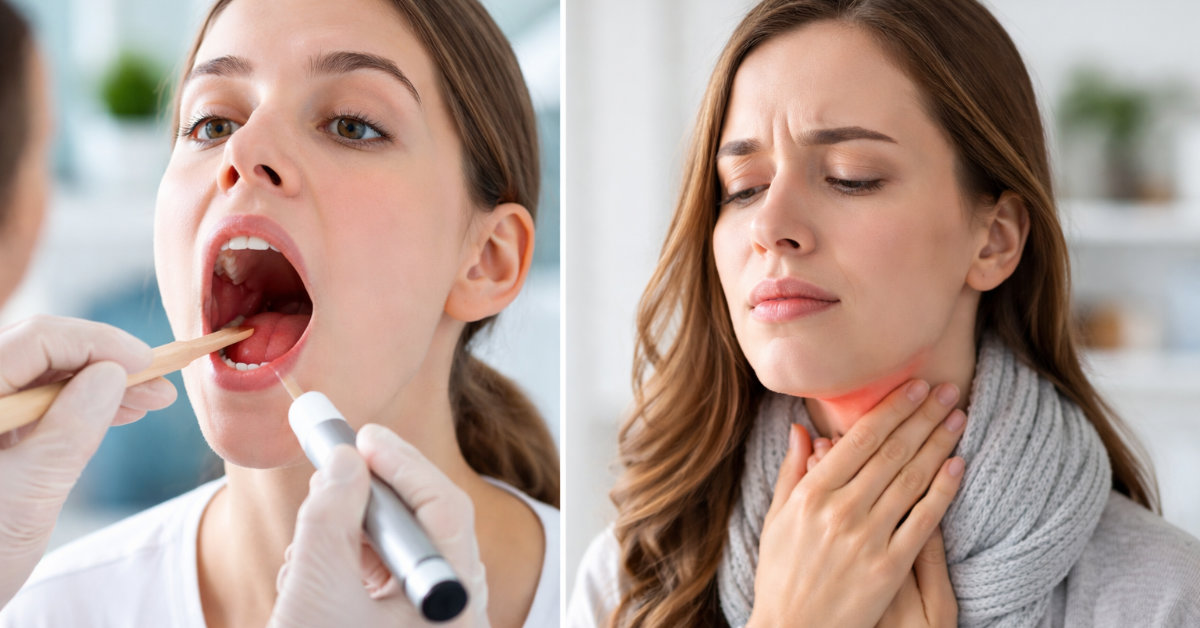
Strep Throat vs Sore Throat: How to Tell the Difference (and When Your Murphy Family Needs a Doctor)
It’s 2am and your child wakes up crying with throat pain. Or maybe you’re the one who can barely swallow your morning coffee. The question racing through your mind: is this just a regular sore throat that will go away on its own, or is it strep throat that needs antibiotics?
I answer this question almost daily in my Murphy practice. And I get it. The symptoms can look incredibly similar at first. But there are some telltale differences that can help you figure out whether you need to call our office for a same-day appointment or whether you can safely ride it out at home with some TLC and patience.
Let me walk you through exactly what I look for when families come in with throat pain. By the end of this article, you’ll know the key differences, when testing is necessary, and what to do while you’re waiting to feel better.
The Most Important Thing to Know Right Now
Here’s the bottom line: you cannot reliably diagnose strep throat at home just by looking in the mirror or checking symptoms. Even I can’t tell for certain without a test. That’s why we have rapid strep tests in our Murphy office.
But certain patterns of symptoms can give you strong clues about whether you’re dealing with a viral sore throat (which will heal on its own) or bacterial strep throat (which needs antibiotics to prevent complications).
The good news? Most sore throats are viral and will improve within 5-7 days without antibiotics. Strep throat accounts for only about 30% of sore throats in children and 5-15% in adults.
What Causes a Regular Sore Throat?
When I say “regular sore throat,” I’m talking about pharyngitis caused by a virus or irritation. This is by far the most common type of throat pain.
Common causes include:
- Viruses: Common cold, flu, COVID-19, adenovirus, or rhinovirus
- Allergies: Cedar fever (brutal here in Texas), pollen, or dust
- Dry air: Especially during our Texas winter when heaters are running
- Voice overuse: Cheering at your kid’s soccer game in Plano, anyone?
- Irritants: Smoking, vaping, or air pollution
- Mouth breathing: When your nose is stuffy from a cold
These sore throats are uncomfortable but they’re not dangerous. Your body will fight off the virus without medical intervention in most cases.
What Is Strep Throat Exactly?
Strep throat is a bacterial infection caused by Group A Streptococcus bacteria. Unlike viral sore throats, strep is contagious, spreads quickly (especially in schools and households), and requires antibiotic treatment to prevent complications.
The bacteria live in the nose and throat. When an infected person coughs, sneezes, talks, or shares utensils, they can spread the bacteria through respiratory droplets.
Why strep matters more than a regular sore throat:
If left untreated, strep throat can lead to serious complications:
- Rheumatic fever (can damage the heart)
- Kidney inflammation (post-streptococcal glomerulonephritis)
- Throat abscesses (pockets of pus)
- Sinus infections
- Ear infections
- Scarlet fever (strep with a sandpaper-like rash)
This is why we don’t mess around with strep. We test. We treat. We prevent complications.
The Key Differences: Strep Throat vs Sore Throat
Here’s where the detective work begins. While symptoms can overlap, certain patterns help distinguish between viral and bacterial causes.
Onset Speed: Sudden vs. Gradual
Viral sore throat: Symptoms develop gradually over a day or two. You might wake up feeling a little scratchy, then by afternoon you’re definitely getting sick.
Strep throat: Hits you like a truck. People often tell me, “I was fine at breakfast and by lunch I could barely swallow.” That sudden, severe onset is classic strep.
The Cough Question (This One’s Big)
Viral sore throat: Almost always comes with a cough, runny nose, congestion, or sneezing. It’s part of a whole upper respiratory picture.
Strep throat: Typically NO cough, NO runny nose, NO congestion. If you’re coughing and your nose is running, strep is much less likely. Your throat hurts but that’s the main event. No other cold symptoms crashing the party.
This is actually one of the most reliable distinguishing features. When a parent calls me and says, “My daughter’s throat is killing her but she’s also got a terrible cough and runny nose,” I’m already thinking viral, not strep.
What Your Throat Looks Like
Viral sore throat:
- Red and irritated throat
- May have some swelling
- Usually doesn’t have white patches
- Tonsils might be slightly enlarged
Strep throat:
- Bright red, angry-looking throat and tonsils
- White patches or streaks of pus on tonsils
- Tiny red spots (petechiae) on the roof of the mouth
- Very swollen tonsils (sometimes touching in the middle)
But here’s the catch: you can have strep without the classic white patches. And you can have white patches with a viral infection like mono. That’s why the throat appearance alone isn’t enough to diagnose.
Fever Patterns
Viral sore throat: May have a low-grade fever (99-100°F) or no fever at all. If there is a fever, it usually develops along with other symptoms.
Strep throat: Often brings a higher fever (101-104°F) that comes on quickly. The fever typically appears around the same time as the throat pain.
Other Symptoms That Point to Strep
More likely to be strep if you also have:
- Severely swollen, tender lymph nodes in your neck (feels like marbles under your jaw)
- Headache
- Nausea, vomiting, or stomach pain (especially in children)
- Body aches without the full flu picture
- Sandpaper-like rash (that’s scarlet fever, a type of strep)
- Loss of appetite because swallowing is so painful
Age Matters
Strep throat is most common in children ages 5-15. It’s actually quite rare in children under 3 years old. When toddlers get sore throats, it’s almost always viral.
Adults can absolutely get strep (I see it regularly), but it’s less common than in school-age kids. If everyone at home is getting sick one after another, that pattern fits with strep spreading through your household.
When to Get Tested for Strep Throat in Murphy
Call our office for a same-day strep test if you or your child has:
- Severe throat pain that makes swallowing difficult
- Throat pain WITHOUT cough or runny nose
- Fever over 101°F
- Swollen, tender lymph nodes in the neck
- White patches on the tonsils
- Known exposure to strep (classmate, family member)
- Symptoms lasting more than 5-7 days
Don’t wait and hope it goes away if you strongly suspect strep. Early treatment prevents complications and gets you feeling better faster.
How We Test for Strep Throat
When you come to our Murphy office with suspected strep, here’s what happens:
Rapid Strep Test: I’ll swab the back of your throat (yes, it makes you gag for a second, but it’s over quickly). Results come back in 10-15 minutes while you wait.
The rapid test is very accurate. If it’s positive, you definitely have strep. If it’s negative but I’m still suspicious based on your symptoms, I might send a throat culture to the lab for confirmation. The culture takes 1-2 days but catches cases the rapid test occasionally misses.
Important note: We don’t test people who don’t have symptoms. About 15-30% of school-age kids are “strep carriers.” The bacteria live in their throat but don’t cause illness or spread to others. We only test and treat people who are actually sick.
Treatment: What Works for Each Type
Treating Viral Sore Throat at Home
Since antibiotics don’t work on viruses, treatment focuses on comfort while your immune system does its job.
What actually helps:
- Rest: Your body needs energy to fight the infection
- Fluids: Water, warm tea with honey (over age 1), broth, popsicles. Stay hydrated.
- Salt water gargles: Mix 1/4 teaspoon salt in 8 oz warm water. Gargle and spit. (Kids usually can’t do this until age 6)
- Honey: A tablespoon of honey soothes throat pain (NOT for babies under 1 year)
- Cool mist humidifier: Especially helpful during dry Texas winters
- Over-the-counter pain relievers: Acetaminophen (Tylenol) or ibuprofen (Advil/Motrin) for pain and fever
- Throat lozenges or hard candy: For older kids and adults (choking hazard for young children)
- Warm liquids: Tea, warm lemon water, chicken soup
Expect improvement within 5-7 days. If symptoms worsen or don’t improve in a week, call me.
Treating Strep Throat with Antibiotics
If your strep test is positive, you’ll need antibiotics. Most commonly, I prescribe:
- Penicillin or Amoxicillin (first choice for most people)
- Azithromycin (Z-pack) if you’re allergic to penicillin
- Cephalexin (Keflex) as another alternative
Critical antibiotic rules:
- Take the FULL course. Even when you feel better (which is usually within 24-48 hours), finish all the medication. Stopping early can cause the infection to come back stronger.
- You’re contagious until you’ve been on antibiotics for 24 hours. Keep your child home from school for at least 24-48 hours after starting treatment.
- Expect to feel significantly better within 1-3 days. If you’re not improving, call me for re-evaluation.
- Don’t share your antibiotics. Other family members need their own testing and prescriptions if they develop symptoms.
You can still use all the home comfort measures (pain relievers, fluids, rest) while taking antibiotics.
Preventing the Spread in Your Murphy Home
Whether it’s strep or viral, these illnesses spread easily through households.
Reduce transmission by:
- Washing hands frequently (especially before eating)
- Not sharing cups, utensils, or toothbrushes
- Covering coughs and sneezes with your elbow (not your hand)
- Throwing away the sick person’s toothbrush after 24 hours on antibiotics (for strep)
- Keeping sick kids home from school or daycare
- Disinfecting frequently-touched surfaces (doorknobs, light switches, phones)
- Staying home when you’re sick (yes, adults too)
Special Situations: When Sore Throat Needs Emergency Care
Most sore throats can wait for a regular appointment. But go to the ER or call 911 if you or your child has:
- Difficulty breathing or severe shortness of breath
- Drooling excessively or can’t swallow saliva (sign of severe swelling)
- Muffled or distorted voice (like talking with a hot potato in the mouth)
- Stiff neck with fever (could indicate meningitis)
- Signs of dehydration (no urination in 8+ hours, dry mouth, dizziness)
- Rash that doesn’t blanch when you press on it
These are rare complications but they require immediate attention.
What About COVID-19?
Sore throat can absolutely be a symptom of COVID-19. However, only about 5-10% of COVID cases present with sore throat as the main or only symptom.
COVID is more likely if your sore throat comes with:
- Loss of taste or smell
- Persistent cough
- Extreme fatigue
- Shortness of breath
- Body aches
- Known COVID exposure
If you’re concerned about COVID, we can test for both COVID and strep at the same time. They’re not mutually exclusive (though getting both at once is uncommon).
Common Questions I Hear in My Murphy Office
Can I have strep throat if I don’t have tonsils?
Yes! This is a common misconception. Strep can infect the throat tissues even after tonsils are removed. The infection may actually be milder without tonsils, but you can definitely still get it.
Why can’t you just give antibiotics without testing?
Two big reasons. First, antibiotics won’t help viral infections. They’d just give you side effects (upset stomach, diarrhea) with no benefit. Second, overusing antibiotics when they’re not needed contributes to antibiotic resistance, which is a serious public health problem.
Testing takes 10-15 minutes and tells us exactly what we’re dealing with. It’s worth the wait.
My child had strep two months ago. Can they get it again this soon?
Unfortunately, yes. Having strep doesn’t give you long-term immunity. Some kids are prone to recurrent strep infections, especially during the school year when they’re around lots of other kids.
If your child is getting strep repeatedly (4+ times in a year), we should discuss whether a referral to an ENT specialist for possible tonsillectomy makes sense.
Should I get tested if I was exposed to strep but feel fine?
No. We only test people with symptoms. You might be a carrier or you might not get sick at all. Just watch for symptoms over the next 2-5 days (that’s the incubation period). If you develop throat pain, fever, or other symptoms, then call for an appointment.
Can strep go away on its own without antibiotics?
Sometimes, yes. Your immune system might clear the infection in a few days. But this is playing with fire. Without treatment, you risk those serious complications I mentioned (rheumatic fever, kidney problems). Plus you stay contagious longer and feel miserable for days.
The 10-day course of antibiotics is cheap, safe, and dramatically reduces your risk of complications. It’s not worth skipping.
Why does my throat hurt worse in the morning?
Whether it’s strep or viral, throat pain is often worse when you first wake up. You’ve been breathing through your mouth all night (especially if your nose is stuffy), which dries out your throat. Once you start drinking fluids and moving around, it usually eases up a bit.
Is strep throat seasonal like flu?
Strep can happen any time of year, but it’s more common in late fall, winter, and early spring (roughly September through March here in Texas). This coincides with when kids are in school, everyone’s indoors more, and respiratory illnesses spread more easily.
Can adults catch strep from their kids?
Absolutely. Parents get strep from their sick kids all the time. If your child tests positive and you start developing symptoms a day or two later, there’s a good chance you caught it from them. Come in for testing.
How long should I stay home from work with strep?
Stay home for at least 24 hours after starting antibiotics. You’ll still be contagious before then. Most people feel well enough to return to work after 1-2 days on antibiotics, but listen to your body. If you’re still running a fever or feeling terrible, give yourself another day.
My rapid strep test was negative but I still feel awful. What now?
If the rapid test is negative but I’m still suspicious based on your symptoms, I’ll send a throat culture. Meanwhile, treat your symptoms at home. If you’re not improving in 3-5 days or you’re getting worse, come back. Sometimes mono (mononucleosis) can look like strep, and we can test for that too.
Can I prevent strep throat?
There’s no vaccine for strep throat (unlike flu). Your best prevention is good hand hygiene, not sharing drinks or utensils, and keeping your distance from people who are obviously sick. But honestly, with kids in school in Murphy and Plano, strep exposure is pretty much unavoidable. What you can do is recognize it early and get treatment quickly.
Is the white stuff on my tonsils always strep?
Not necessarily. White patches can also appear with viral infections like mononucleosis or even with tonsil stones (which aren’t an infection at all, just debris). The only way to know for sure if it’s strep is to test.
Should I gargle with anything special to kill strep bacteria?
Salt water gargles can soothe your throat but they won’t cure strep. Once you have a bacterial infection, you need antibiotics. The bacteria are too deep in the tissue for gargles to reach them effectively.
That said, gargling with warm salt water while you’re on antibiotics can help with pain and comfort. It just won’t eliminate the infection on its own.
Can strep throat cause ear pain?
Yes. The throat and ears are connected. Sometimes the pain from your throat radiates to your ears, or the lymph node swelling puts pressure on the area. Occasionally, untreated strep can lead to an actual ear infection as a complication. If you have significant ear pain along with throat pain, mention it during your visit so I can check your ears too.
The Bottom Line for Murphy and Plano Families
Here’s what you need to remember when sore throat strikes your household:
Strep throat and viral sore throat can look similar, but key differences help distinguish them. The absence of cough and runny nose, sudden severe onset, high fever, and very swollen neck glands all point toward strep rather than a virus.
You can’t diagnose strep at home. Even doctors need a test. When in doubt, call our Murphy office for a same-day appointment. The rapid strep test takes 10-15 minutes and gives us a definitive answer.
Most sore throats are viral and will resolve on their own within a week. Strep throat needs antibiotic treatment to prevent serious complications and to stop the spread to others.
Don’t tough it out if you suspect strep. The complications (rheumatic fever, kidney problems, abscesses) are serious and preventable with a simple course of antibiotics.
If you or your child wakes up with severe throat pain, call our office at (469) 782-0165. We offer same-day sick visits for urgent concerns like suspected strep throat. I’d rather see you, do a quick test, and send you home with peace of mind (or the right treatment) than have you worrying at 2am whether you should go to urgent care.
That’s what your family doctor is here for.
Dr. Hina Zaman, MD
Family Care Murphy
Serving Murphy, Plano, Wylie, Sachse, Frisco, Richardson, and surrounding North Texas communities
Trusted Medical Resources on Strep Throat and Sore Throat
- Centers for Disease Control and Prevention – Strep Throat: https://www.cdc.gov/group-a-strep/about/strep-throat.html
Official CDC information on symptoms, transmission, and prevention of strep throat. - CDC – Sore Throat Basics: https://www.cdc.gov/sore-throat/about/index.html
Understanding the difference between viral and bacterial sore throats. - Mayo Clinic – Strep Throat: https://www.mayoclinic.org/diseases-conditions/strep-throat/symptoms-causes/syc-20350338
Comprehensive medical information on strep throat symptoms, causes, and complications. - Cleveland Clinic – Strep Throat vs Sore Throat: https://health.clevelandclinic.org/strep-throat-sore-throat-best-ways-can-tell
Detailed comparison of symptoms and when to seek medical care. - American Academy of Family Physicians: https://www.aafp.org/
Evidence-based guidelines for diagnosing and treating throat infections in family medicine.