


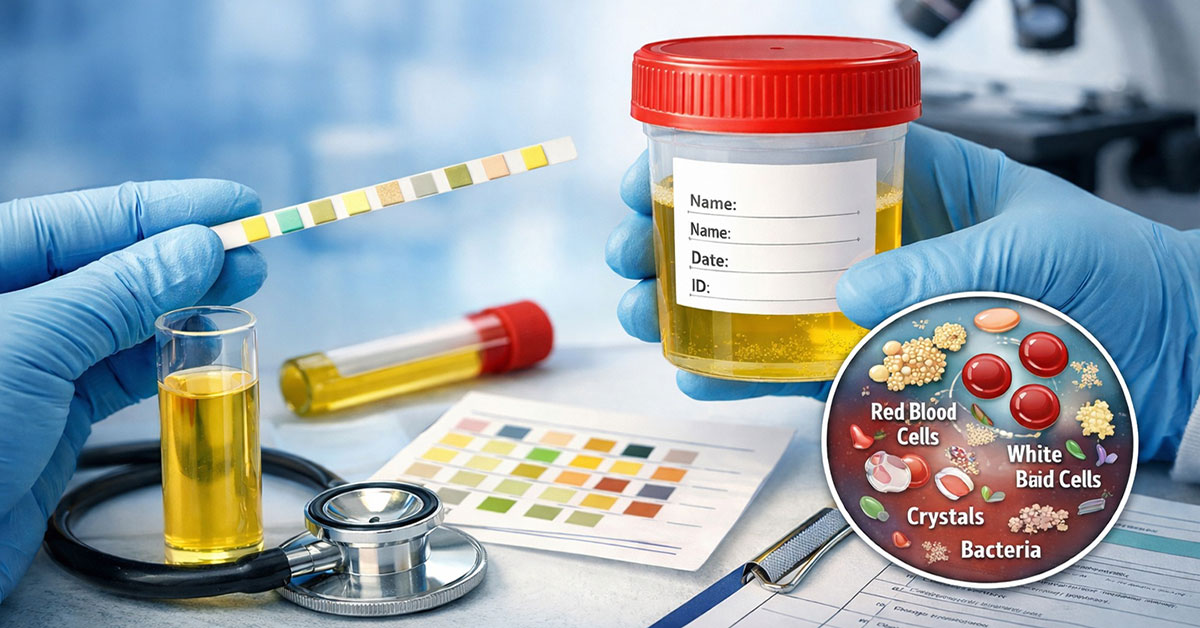
What Is a Urinalysis Test For? Everything Texas Families Need to Know
You’re at your annual checkup, and your doctor hands you a small plastic cup with instructions to provide a urine sample. If you’ve ever wondered why this simple test is such a regular part of medical care—or what those results actually reveal about your health—you’re not alone. Let’s break down what is a urinalysis test for, and why it’s one of the most valuable tools in your family doctor’s diagnostic toolkit.
Understanding Urinalysis: More Than Just a Routine Test
A urinalysis is a simple laboratory examination of your urine that can reveal a surprising amount about your overall health. Think of it as a window into what’s happening inside your body—particularly your kidneys, bladder, and metabolic system.
According to the National Institute of Diabetes and Digestive and Kidney Diseases (NIDDK), urinalysis is one of the most common diagnostic tests performed in medical practice. Why? Because urine contains waste products and chemicals that can signal everything from infections to chronic diseases, often before you even feel symptoms.
What Does a Urinalysis Actually Test For?
Your urine sample goes through three main types of examination:
Visual Inspection
The lab technician first looks at your urine’s appearance, checking:
What Normal Urine Looks Like:
- Color: Normal urine ranges from pale yellow to amber. Dark urine might indicate dehydration, while reddish urine could signal blood.
- Clarity: Urine should be clear. Cloudiness might suggest infection or kidney stones.
- Concentration: This relates to how diluted or concentrated your urine appears.
Dipstick Chemical Analysis
A specially treated strip with chemical pads is dipped into your sample. The Mayo Clinic notes that this quick test can detect:
- Protein: High levels may indicate kidney damage or disease
- Glucose (sugar): Presence suggests diabetes or gestational diabetes in pregnant women
- Blood: Can signal infections, kidney disease, or bladder problems
- White blood cells: Often indicate infection
- pH levels: Abnormal acidity can point to kidney stones or urinary tract issues
- Ketones: May appear in uncontrolled diabetes or with severe dieting
Microscopic Examination
Finally, a small amount of urine is examined under a microscope to identify:
- Bacteria or yeast (indicating infection)
- Red and white blood cells
- Crystals (which might form kidney stones)
- Epithelial cells from the urinary tract
Why Your Doctor Orders a Urinalysis
So what is a urinalysis test for in practical terms? Your family doctor might order one for several reasons:
Screening During Routine Checkups
Even if you feel perfectly healthy, a urinalysis can catch early signs of conditions like diabetes or kidney disease. For families in Plano and Murphy, this is especially important given that South-Asian populations have higher rates of diabetes and kidney disease—often developing these conditions earlier than other groups.
Diagnosing Symptoms
⚠️ When to Request a Urinalysis:
If you’re experiencing certain symptoms, urinalysis helps identify the cause:
- Painful or burning urination
- Frequent urge to urinate
- Lower abdominal or back pain
- Blood in your urine (even if barely visible)
- Unusual urine odor or appearance
Monitoring Existing Conditions
If you’ve been diagnosed with diabetes, kidney disease, or recurrent urinary tract infections, regular urinalysis helps your doctor track how well your treatment is working.
Pre-Surgical Screening
Before scheduled surgery, a urinalysis ensures there are no hidden infections that could complicate your procedure or recovery.
Pregnancy Monitoring
Pregnant women typically have urinalysis at each prenatal visit. According to the American College of Obstetricians and Gynecologists, this screens for gestational diabetes, preeclampsia (a dangerous rise in blood pressure), and urinary tract infections that are more common during pregnancy.
How to Prepare for Your Urinalysis
The good news? Minimal preparation is needed. Here’s what you should know:
Clean Catch Collection Method:
You’ll typically provide a “clean catch” midstream sample:
- Clean the genital area with provided wipes
- Start urinating into the toilet
- Midstream, collect urine in the sterile cup (you only need about 1-2 ounces)
- Finish urinating in the toilet
💡 Pro Tips for Accurate Results:
- Timing Matters: First morning urine is often most concentrated, making it ideal for detecting certain conditions. However, your doctor will specify if timing matters for your particular test.
- Medications to Mention: Tell your doctor about any medications or supplements you’re taking. Vitamin C, certain antibiotics, and even beets can affect results or urine color.
- For Women: Try to schedule your test when you’re not menstruating, as this can affect results.
Understanding Your Results
Most urinalysis results are available quickly—often within hours. Your doctor will review them with you, but here’s what common findings might mean:
✓ Normal Results:
Clear, pale to medium yellow urine with no protein, glucose, blood, or bacteria detected.
Abnormal Findings and What They Might Indicate:
- Bacteria or white blood cells: Likely urinary tract infection (UTI), which affects millions of Americans annually, particularly women
- Protein (proteinuria): May suggest kidney damage, though can also appear after intense exercise or dehydration
- Glucose: Could indicate diabetes or gestational diabetes
- Blood (hematuria): Ranges from UTIs to kidney stones to more serious kidney conditions
- Ketones: Common in uncontrolled diabetes or extreme low-carb diets
Remember, abnormal results don’t automatically mean you have a serious condition. Many factors can affect urinalysis, which is why your doctor might order follow-up tests.
When to See Your Doctor About Urinary Symptoms
⚠️ Don’t Wait – Seek Care If You Experience:
- Blood in your urine (even if it’s just once)
- Painful, burning urination
- Frequent urgent need to urinate with little output
- Cloudy, foul-smelling urine
- Fever along with urinary symptoms
- Lower back pain on one or both sides
For Texas families, quick access to your family doctor means these concerns can be addressed promptly, preventing minor issues from becoming major problems.
The Bottom Line: A Simple Test with Significant Value
Key Takeaway:
A urinalysis might seem like a basic test, but it’s an incredibly valuable diagnostic tool that can detect problems early, monitor chronic conditions, and provide peace of mind. For just a few minutes of your time and a small sample, you get a comprehensive snapshot of your metabolic and urinary health.
Whether you’re managing an existing condition or simply staying on top of preventive care, this simple test is worth its weight in gold. If it’s been a while since your last checkup, consider scheduling an appointment with your family doctor.
Frequently Asked Questions
How long does it take to get urinalysis results?
Most results are available within a few hours to a day. If your doctor orders a urine culture (to identify specific bacteria), that typically takes 24-48 hours. Ask your doctor’s office about their typical turnaround time.
Can I do a urinalysis at home?
While home test strips are available at pharmacies, they don’t replace a professional lab analysis. Home tests might miss important findings that microscopic examination would reveal. Always follow up with your doctor if you have concerns.
Why does my doctor keep ordering urinalysis if I feel fine?
Many conditions like early kidney disease or diabetes show up in urine tests before you feel any symptoms. Regular screening, especially if you have risk factors, helps catch problems when they’re most treatable.
Will drinking lots of water before the test affect results?
Excessive hydration can dilute your urine, potentially affecting concentration-dependent results. Drink normally before your test unless your doctor gives specific instructions.
What’s the difference between urinalysis and a urine culture?
A urinalysis is a broader screening test. A urine culture is ordered when an infection is suspected—it identifies the specific bacteria causing the infection and which antibiotics will work best against it.
Are urinary tract infections more common in certain groups?
Yes, women are significantly more prone to UTIs than men due to anatomy. Pregnant women, people with diabetes, and anyone with urinary tract abnormalities also face higher risk.
Trusted Resources
- 📚 National Institute of Diabetes and Digestive and Kidney Diseases – Urinalysis: Comprehensive information on kidney health and testing
- 📚 Mayo Clinic – Urinalysis Guide: Patient-friendly explanation of the test and results
- 📚 American Urological Association: Expert resources on urinary health conditions
- 📚 CDC – Urinary Tract Infection Information: Guidelines for prevention and treatment
- 📚 MedlinePlus – Urinalysis: From the National Library of Medicine, detailed test information