

Zepbound vs Wegovy: A Comprehensive Guide to New Weight Loss Medications
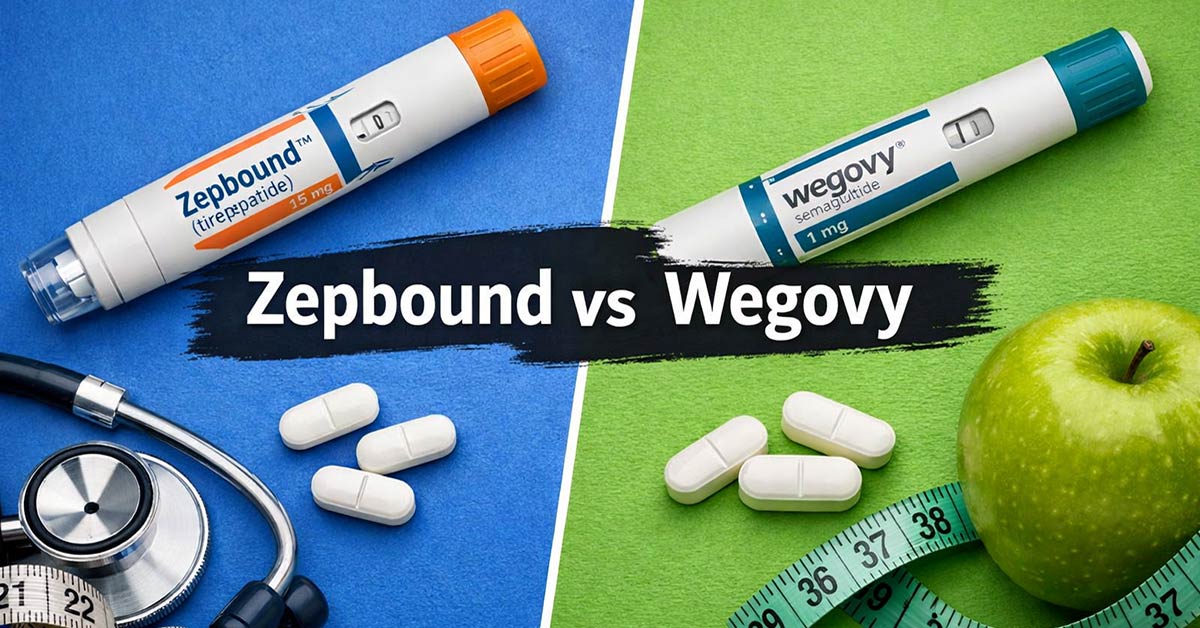
If you’ve struggled with weight loss despite trying multiple diet and exercise programs, you’re not alone. Millions of Americans face the challenge of obesity, and for many, traditional weight loss methods simply aren’t enough. That’s where breakthrough medications like Zepbound vs Wegovy come into play. These revolutionary treatments are transforming the landscape of medical weight management, offering hope to patients who have exhausted other options. In this comprehensive guide, we’ll compare Zepbound vs Wegovy, examining their mechanisms of action, clinical trial results, effectiveness, side effects, and help you understand which medication might be the best fit for your weight loss journey.
Understanding the Battle Against Obesity: Why New Medications Matter
Obesity is more than a cosmetic concern—it’s a serious chronic disease affecting over 40% of American adults. It increases your risk for type 2 diabetes, heart disease, stroke, certain cancers, and numerous other health complications. For years, the medical community has recognized that obesity is not simply a matter of willpower. It’s a complex condition involving genetics, metabolism, hormones, and environmental factors.
Traditional weight loss approaches—diet modification, increased physical activity, and behavioral therapy—remain foundational. However, for many patients, these interventions alone don’t produce sufficient or sustainable weight loss. This is where pharmaceutical intervention becomes crucial. The development of GLP-1 receptor agonists has revolutionized obesity treatment, and the latest head-to-head clinical trials comparing Zepbound vs Wegovy provide invaluable insights for both physicians and patients.
What Is Zepbound (Tirzepatide)?
Zepbound, with the active ingredient tirzepatide, represents a groundbreaking advancement in weight loss medication. Approved by the FDA in November 2023 for chronic weight management, Zepbound is the first and only dual receptor agonist available for obesity treatment.
How Zepbound Works: The Dual-Action Advantage
Unlike single-action medications, Zepbound activates two critical hormone receptors:
GLP-1 (Glucagon-Like Peptide-1) Receptor: This receptor plays a vital role in regulating appetite, slowing gastric emptying, and improving insulin sensitivity. When activated, it sends satiety signals to the brain, helping you feel fuller longer.
GIP (Gastric Inhibitory Peptide) Receptor: This secondary receptor enhances the effects of GLP-1, further improving insulin response and promoting more efficient fat metabolism. The dual action creates a synergistic effect that may explain Zepbound’s superior weight loss results.
This innovative dual-action mechanism allows Zepbound to:
- Significantly reduce appetite and food cravings
- Slow down stomach emptying, prolonging feelings of fullness
- Improve how your body processes and stores fat
- Enhance insulin sensitivity, particularly beneficial for patients with type 2 diabetes or prediabetes
- Reduce blood sugar levels and improve overall metabolic health
What Is Wegovy (Semaglutide)?
Wegovy, containing the active ingredient semaglutide, was the first GLP-1 receptor agonist approved specifically for chronic weight management in June 2021. It has established itself as a highly effective weight loss medication with a proven track record.
How Wegovy Works: Proven GLP-1 Action
Wegovy works by mimicking the natural GLP-1 hormone in your body. This single-action approach has been extensively studied and demonstrated significant effectiveness:
- Appetite Suppression: Wegovy acts directly on appetite centers in the brain, reducing hunger and helping you eat less without feeling deprived.
- Delayed Gastric Emptying: By slowing how quickly food leaves your stomach, Wegovy helps you feel satisfied with smaller portions.
- Blood Sugar Regulation: Like Zepbound, Wegovy improves insulin sensitivity and helps regulate blood glucose levels.
- Sustainable Weight Loss: Clinical trials have shown Wegovy helps patients achieve and maintain significant weight reduction over extended periods.
Wegovy is available in both injectable and pill forms, providing flexibility for patients with different preferences regarding administration methods.
Zepbound vs Wegovy: Head-to-Head Clinical Trial Results
One of the most significant developments in obesity medicine came with the SURMOUNT-5 trial—the first direct comparison of Zepbound vs Wegovy. Published in The New England Journal of Medicine in May 2025, this landmark study provides definitive evidence about how these two medications compare.
SURMOUNT-5 Trial Design and Participants
The SURMOUNT-5 study was a 72-week, multi-center, randomized, open-label Phase 3b clinical trial involving 751 participants across the United States and Puerto Rico. Participants were adults with:
- Obesity (BMI ≥30 kg/m²) or
- Overweight (BMI ≥27 kg/m²) with at least one weight-related comorbidity such as hypertension, dyslipidemia, obstructive sleep apnea, or cardiovascular disease
- No diabetes diagnosis
Participants were randomized 1:1 to receive either:
- Maximum tolerated dose of Zepbound (10 mg or 15 mg)
- Maximum tolerated dose of Wegovy (1.7 mg or 2.4 mg)
The study cohort had a mean age of 44.7 years, 64.7% were women, and participants had an average body weight of 249 pounds with a mean BMI of 39.4 kg/m².
Primary Endpoint: Weight Loss at 72 Weeks
The results were striking and clinically significant:
Zepbound Group: Participants achieved an average weight reduction of 20.2% at 72 weeks
Wegovy Group: Participants achieved an average weight reduction of 13.7% at 72 weeks
Relative Difference: Zepbound provided 47% greater relative weight loss compared to Wegovy
To put this in practical terms: A patient weighing 250 pounds could expect to lose approximately 50 pounds with Zepbound versus 34 pounds with Wegovy over the same timeframe. This represents an additional 16 pounds of weight loss—a clinically meaningful difference that can significantly impact health outcomes and quality of life.
Secondary Endpoints: Additional Success Metrics
Zepbound demonstrated superiority across all five key secondary endpoints:
- ≥5% Weight Loss: 91% of Zepbound patients vs. 76% of Wegovy patients
- ≥10% Weight Loss: 84% of Zepbound patients vs. 62% of Wegovy patients
- ≥15% Weight Loss: 72% of Zepbound patients vs. 46% of Wegovy patients
- ≥20% Weight Loss: 57% of Zepbound patients vs. 28% of Wegovy patients
- ≥25% Weight Loss: 40% of Zepbound patients vs. 15% of Wegovy patients
These results demonstrate that not only did more patients achieve clinically significant weight loss with Zepbound, but they also achieved greater magnitude of weight loss across all measured thresholds.
Waist Circumference Reduction
An important secondary measure was the reduction in waist circumference, which correlates with visceral fat—the dangerous fat surrounding internal organs:
- Zepbound patients experienced greater reductions in waist circumference compared to Wegovy patients
- This reduction in central adiposity is particularly important for reducing cardiovascular risk
Real-World Weight Loss Outcomes Beyond Clinical Trials
While controlled clinical trials provide crucial efficacy data, real-world studies help us understand how these medications perform in everyday clinical practice. A recent real-world effectiveness study published in 2024 examined weight loss outcomes in patients using semaglutide 2.4 mg (Wegovy) and tirzepatide in routine clinical settings across the United States.
Real-World Study Findings
The study included adults with overweight or obesity without type 2 diabetes who had continuous treatment for one year:
Semaglutide (Wegovy) Results: Patients achieved an average weight loss of 14.1% after one year
Tirzepatide Results: Patients achieved an average weight loss of 16.5% after one year
These real-world results closely mirror the clinical trial findings, demonstrating that the superior weight loss seen with tirzepatide in controlled studies translates to actual patient care settings. The consistency between trial results and real-world outcomes is particularly encouraging for patients considering these medications.
Zepbound vs Wegovy: Weight Loss Potential for Difficult Cases
For patients who have struggled with other weight loss treatments, the choice between Zepbound vs Wegovy takes on special significance. If you’ve tried and failed with:
- Multiple diet and exercise programs
- Behavioral weight loss interventions
- Other weight loss medications
- Bariatric surgery that didn’t achieve desired results
Zepbound may offer particular advantages due to its dual-mechanism approach and superior weight loss results. The medication has shown exceptional effectiveness in patients who:
- Have significant amounts of weight to lose (50+ pounds)
- Need rapid initial weight loss to address obesity-related health complications
- Have struggled with appetite control on other medications
- Have insulin resistance or prediabetes
- Require treatment for both obesity and type 2 diabetes
- Have obesity-related sleep apnea
Wegovy remains an excellent choice for patients who:
- Prefer a medication with longer clinical track record
- Are looking for steady, sustainable weight loss
- Have had success with other GLP-1 medications
- Prefer oral medication options (Wegovy tablet form)
- Have more moderate weight loss goals
Understanding Side Effects: Zepbound vs Wegovy Safety Profile
Both Zepbound and Wegovy share similar safety profiles, with most side effects being gastrointestinal in nature. Understanding what to expect can help you prepare and manage potential side effects effectively.
Common Side Effects (Both Medications)
Gastrointestinal Effects (Most Common):
- Nausea (Zepbound: 25-29%, Wegovy: 24-44%)
- Diarrhea (Zepbound: 19-21%, Wegovy: 7-30%)
- Vomiting (Zepbound: 12%, Wegovy: 24%)
- Constipation (Zepbound: 12-17%, Wegovy: 14-24%)
- Abdominal pain or discomfort
- Indigestion and acid reflux
General Side Effects:
- Fatigue or tiredness (approximately 4% of patients)
- Headache (more common with Wegovy)
- Dizziness
- Hair loss (temporary in most cases)
Injection Site Reactions:
- Redness, itching, or bruising at injection site
- Slightly more common with Zepbound
Managing Common Side Effects
The good news is that most side effects are:
- Mild to moderate in severity
- Most pronounced during the initial weeks of treatment
- Tend to decrease as your body adjusts to the medication
- Manageable with proper strategies
Practical Tips to Minimize Side Effects:
- Start Low, Go Slow: Both medications use gradual dose escalation specifically to minimize side effects
- Dietary Modifications: Eat smaller, more frequent meals; avoid high-fat, greasy, or spicy foods
- Stay Hydrated: Drink plenty of water throughout the day to prevent dehydration
- Proper Injection Technique: Rotate injection sites and follow administration guidelines
- Eat Slowly: Take time with meals and chew food thoroughly
- Work with Your Provider: Your doctor can adjust dosing or provide anti-nausea medication if needed
Serious Side Effects (Rare but Important)
Both medications carry boxed warnings and potential serious side effects that require awareness:
Thyroid C-Cell Tumors: Based on animal studies, both medications carry warnings about potential thyroid cancer risk. They should not be used in patients with:
- Personal or family history of medullary thyroid carcinoma (MTC)
- Multiple Endocrine Neoplasia syndrome type 2 (MEN 2)
Pancreatitis: Inflammation of the pancreas (0.1-0.5% of patients)
- Symptoms: Severe abdominal pain that doesn’t go away, with or without vomiting
- Action: Stop medication immediately and contact your healthcare provider
Gallbladder Problems: Including gallstones (1-2% requiring surgery)
- Symptoms: Upper abdominal pain, fever, yellowing of skin or eyes
- Action: Seek immediate medical attention
Kidney Problems: Particularly with severe dehydration from vomiting or diarrhea
- Prevention: Maintain adequate hydration throughout treatment
Hypoglycemia: Low blood sugar, particularly in patients taking other diabetes medications
- Monitoring: Regular blood sugar checks if you have diabetes
Safety Profile Comparison: SURMOUNT-5 Results
In the head-to-head SURMOUNT-5 trial:
- Overall safety profiles were similar between Zepbound and Wegovy
- Most adverse events were gastrointestinal and mild to moderate
- Serious adverse events: 4.8% with Zepbound vs. 3.5% with Wegovy
- Discontinuation due to adverse events: 6 patients in each group
The similar safety profiles suggest that for most patients, the choice between Zepbound vs Wegovy can focus primarily on effectiveness and individual response rather than safety concerns.
Dosing and Administration: What to Expect
Zepbound Dosing Schedule
Zepbound is administered as a once-weekly subcutaneous injection:
- Weeks 1-4: 2.5 mg once weekly
- Weeks 5-8: 5 mg once weekly
- Weeks 9+: Increase by 2.5 mg every 4 weeks as tolerated
- Maintenance Dose: 5 mg, 10 mg, or 15 mg once weekly
Most patients in clinical trials (89.3%) reached the maximum 15 mg dose, demonstrating good tolerability with gradual escalation.
Wegovy Dosing Schedule
Wegovy injectable dosing:
- Weeks 1-4: 0.25 mg once weekly
- Weeks 5-8: 0.5 mg once weekly
- Weeks 9-12: 1 mg once weekly
- Weeks 13-16: 1.7 mg once weekly
- Week 17+: 2.4 mg once weekly (maintenance dose)
Wegovy is also available in tablet form with a different dosing schedule, providing an alternative for patients who prefer oral medication.
Cost Considerations and Insurance Coverage
Both Zepbound and Wegovy are premium medications with significant monthly costs:
- Zepbound: Approximately $1,000-1,350 per month without insurance
- Wegovy: Approximately $1,300-1,400 per month without insurance
Insurance Coverage: Coverage varies significantly by insurance plan. Some considerations:
- Medicare recently proposed expanding coverage for obesity medications
- Many private insurance plans cover GLP-1 medications with prior authorization
- Manufacturer savings programs may be available for eligible patients
- Requirements often include documented weight loss attempts and BMI criteria
Cost-Effectiveness: While the upfront cost is substantial, studies suggest these medications may be cost-effective when considering:
- Reduced healthcare costs from obesity-related complications
- Improved quality of life
- Decreased need for other medications
- Potential prevention of expensive interventions like bariatric surgery
Who Should Consider Zepbound vs Wegovy?
Ideal Candidates for Zepbound
Consider Zepbound if you:
- Need significant weight loss (≥50 pounds)
- Have struggled with multiple weight loss attempts
- Have type 2 diabetes or prediabetes requiring management
- Need rapid initial weight loss for health reasons
- Have obesity-related complications like sleep apnea
- Want the most aggressive weight loss treatment available
Ideal Candidates for Wegovy
Consider Wegovy if you:
- Prefer steady, sustainable weight loss approach
- Have had success with GLP-1 medications previously
- Want medication with longest safety track record
- Prefer oral medication option
- Have moderate weight loss goals
- Want proven effectiveness with extensive real-world data
Long-Term Weight Maintenance: The SURMOUNT-4 Study
One critical question about weight loss medications is: What happens when you stop taking them? The SURMOUNT-4 trial provided important insights into weight maintenance with tirzepatide (Zepbound).
Study Design: Participants who achieved average 20.9% weight loss on tirzepatide over 36 weeks were randomized to either:
- Continue tirzepatide
- Switch to placebo
Results at 88 Weeks (52 weeks after randomization):
Continued Tirzepatide:
- Additional 5.5% weight loss
- Total weight loss: 25.3% from baseline
- 89.5% maintained at least 80% of initial weight loss
Switched to Placebo:
- 14% weight regain
- Total weight loss: 9.9% from baseline
- Only 16.6% maintained at least 80% of initial weight loss
Key Takeaway: Continued treatment is essential for maintaining weight loss. Obesity is a chronic disease requiring ongoing management, much like diabetes or hypertension. These medications are not quick fixes but rather long-term treatment options.
Combining Medication with Lifestyle Changes
While Zepbound and Wegovy are powerful tools, they work best as part of a comprehensive weight management program:
Dietary Modifications:
- Focus on nutrient-dense, whole foods
- Prioritize protein to preserve muscle mass
- Stay hydrated throughout the day
- Limit processed foods and added sugars
Physical Activity:
- Aim for at least 150 minutes of moderate activity weekly
- Include both cardiovascular exercise and strength training
- Start slowly and gradually increase intensity
- Find activities you enjoy for long-term sustainability
Behavioral Support:
- Work with a registered dietitian or nutritionist
- Consider joining support groups
- Track food intake and physical activity
- Address emotional eating patterns
- Develop sustainable habits for long-term success
Medical Monitoring:
- Regular follow-up appointments with your healthcare provider
- Monitor for side effects and adjust treatment as needed
- Track weight loss progress and non-scale victories
- Assess improvements in obesity-related conditions
- Adjust medication doses based on response and tolerance
Making Your Decision: Questions to Discuss with Your Doctor
When considering Zepbound vs Wegovy, schedule a consultation with your healthcare provider to discuss:
- Your complete medical history and current medications
- Previous weight loss attempts and their outcomes
- Your weight loss goals and timeline
- Any contraindications or special considerations
- Insurance coverage and out-of-pocket costs
- Your preference regarding injection vs. oral medication
- History of gastrointestinal issues
- Risk factors for serious side effects
- Commitment to long-term treatment and lifestyle changes
- Monitoring plan and follow-up schedule
The Future of Obesity Treatment
The success of medications like Zepbound and Wegovy represents just the beginning of a new era in obesity medicine. Ongoing research continues to develop:
- New dual and triple hormone receptor agonists
- Oral formulations for easier administration
- Combination therapies for enhanced effectiveness
- Medications targeting different pathways
- Longer-acting formulations requiring less frequent dosing
Frequently Asked Questions About Zepbound vs Wegovy
Q: How quickly will I see results with Zepbound or Wegovy?
A: Most patients begin noticing weight loss within 4-6 weeks of starting treatment. However, the full effects typically manifest over 3-6 months, with maximum weight loss usually occurring at 72 weeks (approximately 16-17 months). The gradual dose escalation means initial weight loss may be modest, with more significant results as you reach maintenance doses.
Q: Can I take Zepbound or Wegovy if I have type 2 diabetes?
A: Yes, both medications are excellent options for patients with type 2 diabetes. In fact, tirzepatide was originally approved as Mounjaro for diabetes management before receiving approval as Zepbound for weight loss. Both medications improve blood sugar control while promoting weight loss. However, if you’re taking insulin or other diabetes medications, close monitoring is essential to prevent hypoglycemia (low blood sugar).
Q: What happens if I miss a dose?
A: Both medications are once-weekly injections with some flexibility. If you miss a dose, take it as soon as you remember if it’s within 4 days (96 hours) of the scheduled dose. If more than 4 days have passed, skip the missed dose and resume your regular schedule. Never take two doses at once to make up for a missed dose.
Q: Will I regain weight when I stop taking the medication?
A: Studies show that discontinuing treatment typically leads to weight regain. The SURMOUNT-4 trial demonstrated that patients who stopped tirzepatide regained approximately 14% of their body weight over 52 weeks. This underscores that obesity is a chronic disease requiring ongoing management. Many patients may need to continue treatment long-term to maintain their weight loss.
Q: Are there any long-term risks I should know about?
A: Both medications have been studied extensively in clinical trials, with tirzepatide studied for up to 88 weeks and semaglutide for up to 4 years. Long-term risks are rare but include potential for thyroid cancer (based on animal studies), pancreatitis, gallbladder disease, and kidney problems. The risk of these serious complications remains low (typically <2%), but regular monitoring and open communication with your healthcare provider are essential.
Q: Can I drink alcohol while taking Zepbound or Wegovy?
A: There is no absolute contraindication to alcohol consumption while taking these medications. However, alcohol can worsen gastrointestinal side effects like nausea and may increase the risk of low blood sugar if you have diabetes. Moderate alcohol consumption (if any) is recommended, and you should discuss your specific situation with your healthcare provider.
Q: How do I know which medication is right for me?
A: The choice between Zepbound vs Wegovy depends on several factors including your weight loss goals, medical history, concurrent conditions, tolerance of side effects, administration preference, and cost. Patients seeking maximum weight loss may prefer Zepbound, while those wanting a medication with a longer track record might choose Wegovy. Your healthcare provider can help determine the best option based on your individual circumstances.
Take the Next Step: Schedule Your Consultation Today
If you’ve been struggling with weight loss and are ready to explore medical weight management options, the team at Family Care USA is here to help. Dr. Hina Zaman and our experienced medical staff provide comprehensive obesity treatment, including evaluation for Zepbound and Wegovy.
Our Weight Loss Program Includes:
- Thorough medical evaluation and health assessment
- Personalized treatment plan tailored to your needs
- Prescription and monitoring of weight loss medications
- Nutritional counseling and dietary support
- Exercise recommendations and lifestyle coaching
- Regular follow-up appointments to track progress
- Management of obesity-related health conditions
- Ongoing support throughout your weight loss journey
Don’t let obesity hold you back from living your best life. The breakthrough results from the SURMOUNT-5 trial demonstrate that effective medical treatments are available. Whether Zepbound or Wegovy is right for you, we’re committed to helping you achieve meaningful, sustainable weight loss.
Schedule a consultation today to learn more about how Zepbound (Tirzepatide) could be the solution for your weight loss goals!
📞 Contact Family Care USA at (469) 782-0165
📍 Visit our Murphy, TX office at 318 W FM 544, Suite A2
✅ Same-day appointments available for patients ready to begin their weight loss journey.
Medical Disclaimer
This article is for informational purposes only and does not constitute medical advice. Weight loss medications like Zepbound and Wegovy require a prescription and should only be used under the supervision of a qualified healthcare provider. Individual results may vary. Not all patients are candidates for these medications. A thorough medical evaluation is necessary to determine if these treatments are appropriate for you. Always consult with your healthcare provider before starting any new medication or weight loss program.
References and Resources
- Aronne LJ, et al. Tirzepatide as Compared with Semaglutide for the Treatment of Obesity. N Engl J Med. 2025.
- SURMOUNT-5 Clinical Trial (NCT05822830)
- FDA Prescribing Information: Zepbound (tirzepatide)
- FDA Prescribing Information: Wegovy (semaglutide)
- American Diabetes Association – Weight Loss Medications
- Mayo Clinic – Obesity Treatment Guidelines
- NIH – Obesity Treatment and Weight Loss Drugs
About Family Care USA: Located in Murphy, Texas, Family Care USA provides comprehensive family medicine services including weight loss management, chronic disease treatment, preventive care, and adult medicine. Dr. Hina Zaman is Board Certified by the American Board of Family Medicine and specializes in personalized, compassionate healthcare for the entire family.